We want everyone to enjoy their time off over winter and the Christmas holiday, regardless of whether you celebrate Christmas or not. It’s time off from college and you get to hopefully relax, catch up with friends and have some fun!

Winter can be a great time to slow down, see your mates, spend time with family, celebrate, or just chill out.
But we also know that this time of year isn’t always easy for everyone. And sometimes, things that are already difficult can feel even harder.
So, whatever your plans this winter, here are some things worth knowing to help you stay safe, look after yourself and look out for others.
Look after yourself
When your usual routine changes, it’s easy to lose track of the things that help you feel okay.
- Try to keep some structure to your day — get up at the same time, get dressed, eat regularly and get some fresh air.
- Give yourself permission to rest. You don’t have to be busy all the time.
- Stay connected with people you trust, even if it’s just sending a message or phone call.
- Make time for things you enjoy and that help you switch off.
If you’re struggling, don’t wait until things feel overwhelming before talking to someone.
Look after yourself video content
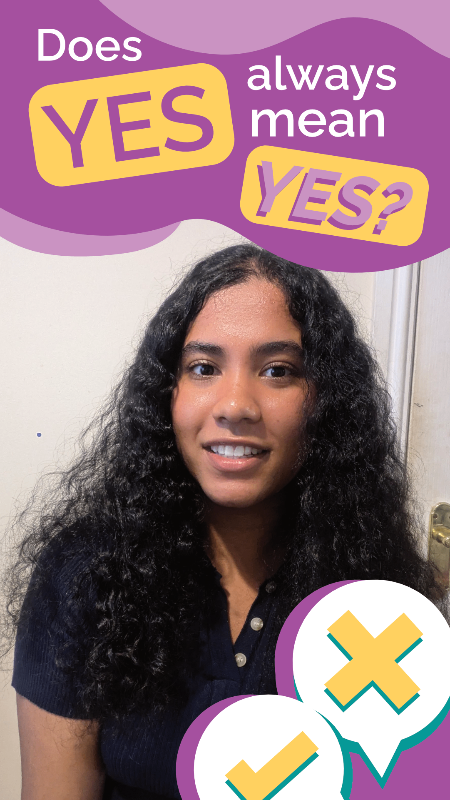
Relationships, sex and boundaries
Whether you’re in a relationship, casually seeing someone, single or not interested in dating at all — your boundaries matter.
Consent means everyone involved freely agrees. Consent means everyone involved freely agrees. It must be respected every time.
That means:
- You can say no.
- You can change your mind at any point.
- Being drunk or under the influence of drugs isn’t consent.
- Being in a relationship doesn’t mean someone is automatically entitled to sex or physical contact.
- Never pressure someone into doing something they don’t want to do.
- Respect other people’s boundaries too.
If something has happened that you’re uncomfortable about, you can talk to someone — even if you’re not sure what to call it.
Relationships, sex and boundaries video content
- Consent – yes is not always yes
- Learning to say no during sex
- Toxic relationships part 1
- Toxic relationships part 2

Money getting tight?
Winter can be expensive. Travel, food, presents, and nights out can all add up.
- Set yourself a budget and stick to what you can afford.
- Don’t feel pressured to spend money you don’t have.
- Be careful with “amazing” online deals, giveaways and competitions – these could be scams.
- Never give someone your bank details, passwords or security codes.
- Don’t let someone use your bank account or let them use it to move money.
- If you’re struggling to afford essentials, tell someone.
There may be support available — you don’t have to figure it out alone.
Money getting tight? video content
Home isn’t always easy
We know that not everyone looks forward to spending more time at home.
Family arguments, relationships breaking down, caring for loved ones, money worries, alcohol or drug use, or feeling unsafe can all make things difficult.
If things at home are getting too much:
- Talk to someone you trust – a friend, family member, tutor or someone from our student support and safeguarding team.
- Find somewhere safe to go if you need some space.
- Stay in touch with people who make you feel safe and supported.
- If you’re worried about someone else’s behaviour, you don’t have to deal with it alone.
- If you don’t have someone safe to go, tell someone.
If you or someone else is in immediate danger, always call 999.
Asking for help doesn’t mean you’re getting someone into trouble. Sometimes it’s the first step towards making things better.
Home isn’t always easy video content
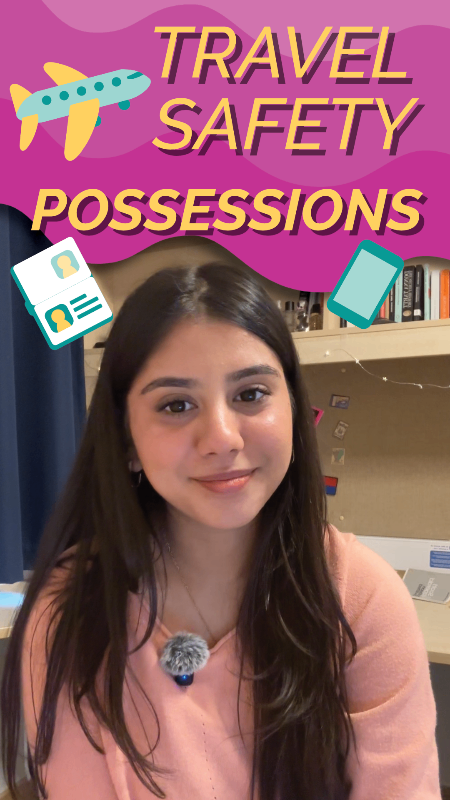
Getting out and about? Stay switched on.
Whether you’re walking, cycling, getting the bus or train, or heading out with mates:
- Keep your phone charged.
- Let someone you trust know where you’re going and when you expect to be home.
- Stick to well-lit, busy routes where possible.
- Stay aware of what’s happening around you, particularly if you’re wearing headphones or using your phone.
- If you feel unsafe, trust your gut and move somewhere safe.
- If you’re using a taxi, check that the vehicle and driver match the booking details.
If you feel unsafe, go into a shop, station, or another busy place and ask for help.
Getting out and about? Stay switched on. video content
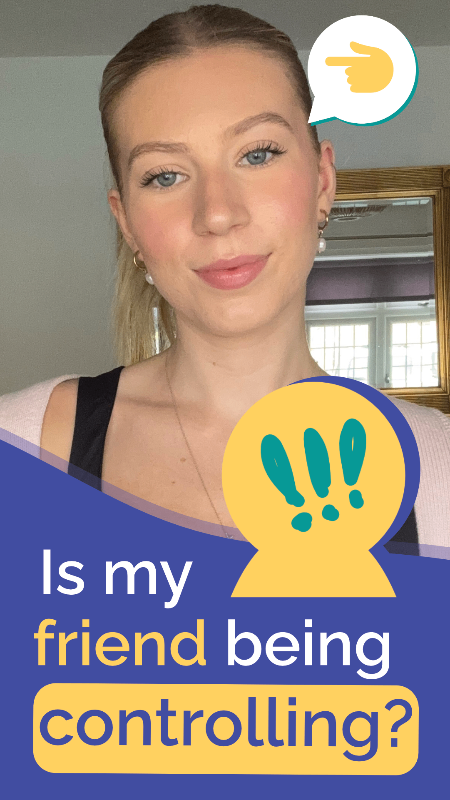
Look out for your mates
Your friends can be one of the best things about college…but friendships aren’t always straightforward.
Arguments, fallouts, pressure, jealousy, bullying, controlling behaviour and group chats kicking off can all happen. But healthy friendships should feel safe, respectful and equal.
- You don’t have to do something just because your friends are doing it.
- It’s okay to say no, change your mind or walk away.
- Don’t share someone’s private messages, photos or information without their permission.
- If a friendship is making you feel anxious, controlled or uncomfortable, talk to someone.
- If you see someone being bullied, threatened or pressured, don’t join in or share it. Check they’re okay and help them find someone who can support them.
Look out for your mates video content
- When your friend is being controlling
- Red flags in friendships
- When does banter cross the line
- How to tell if people are trustworthy
- Micro: what are you worried about?
Your online life is real life
The darker, colder evenings can mean more time indoors, and often more time scrolling, gaming, messaging and hanging out online.
- Think before you post — would you be happy for everyone to see it?
- Don’t publicly advertise that you’re away from home, home alone or exactly where you are.
- Check who can see your posts and location, and use privacy settings.
- If someone is threatening or harassing you: screenshot → block → report → tell someone.
- Be careful about meeting people you’ve only spoken to online. Tell someone where you’re going and meet somewhere public.
- Remember that people online may not always be who they say they are.
Online life video content
Having a night out? Have a plan.
Whether you’re going to a party, gig, club, pub or just meeting friends, think about your safety beforehand. If alcohol or other substances are involved, look out for yourself and your mates.
- Know your limits and look out for your friends. Try not to get separated, where possible.
- Never drive after drinking or taking drugs – and don’t get into a car with someone who has.
- Don’t leave drinks unattended.
- Be cautious about accepting drinks or substances from people you don’t know or trust.
- Make sure you know how you’re getting home before you go out.
- If someone becomes seriously unwell after taking alcohol or drugs, get medical help immediately. Call 999.
- If you are worried about your own or someone else’s alcohol or drug use, asking for help is a strength, not something to be embarrassed about.
Having a night out? Have a plan video content
- Staying safe on a night out
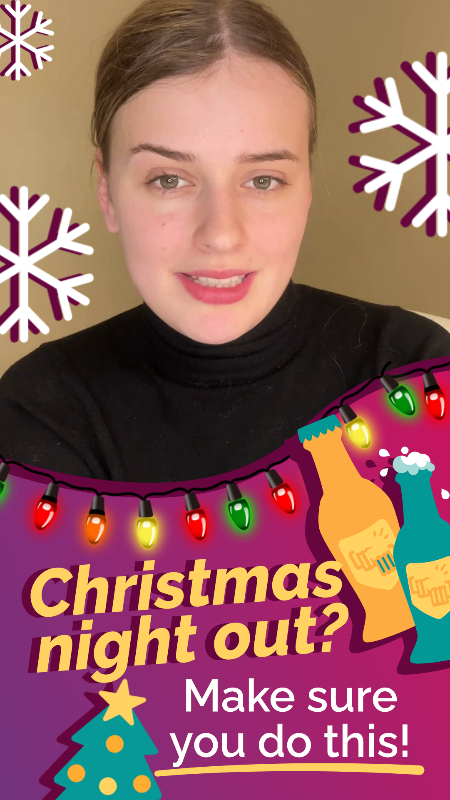
- Staying safe on a Christmas night out
- When does intoxication need medical attention
- The best way to say no
- What to do if someone is going to drink drive
When things feel a bit much
You don’t need to be in a crisis to ask for help. Maybe you’re feeling lonely, stressed or anxious, you’re having problems at home or with friends, you’re worried about money, something has happened online, or you’re simply not feeling like yourself.
Sometimes things don’t go to plan. You might have a difficult night out, fall out with a friend, experience problems at home, or find yourself dealing with something you didn’t expect.
Whatever is going on, you don’t have to work it out on your own.
Start by talking to someone you trust — a friend, family member, tutor or trusted member of staff. You can also contact the Activate Learning Safeguarding and Student Support team for advice and support.
You won’t be wasting someone’s time by asking for help, and you don’t need to know exactly what to say or what support you need. Sometimes, simply saying “I’m not really okay at the moment” is enough to get the conversation started.
There are also organisations that offer specialist or confidential support if you need it:
- The Mix – free information and support for under-25s, covering mental health, relationships, money, housing, drugs and more.
- Childline – confidential support for under-19s by phone, online chat and message. Call 0800 1111.
- Kooth – online mental health and wellbeing support for young people, including counselling and peer support where available.
- Samaritans – free, confidential support if you’re struggling or simply need someone to talk to. Call 116 123.
- Beat – information, helplines and support for anyone affected by eating disorders or difficulties with food and body image.
- Rape Crisis England & Wales – specialist support for people affected by sexual violence and abuse.
- Refuge – support for women and children experiencing domestic abuse, including practical and emotional support.
- Citizens Advice – advice about debt, benefits, bills, housing and money worries. It also provides advice if you’ve been scammed.
- FRANK – confidential information and advice about drugs and alcohol, including where to find local support. FRANK can be contacted on 0300 123 6600.
- Report Remove – Childline’s service for under-18s to report nude images or videos of themselves and seek help to get them removed.
- Victim Support – free, confidential support for people affected by crime, whether or not they have reported it to the police.